

Resilient connectivity
Reliable, scalable, and secure IoT connectivity for hospitals with support for multiple networks and critical healthcare environments

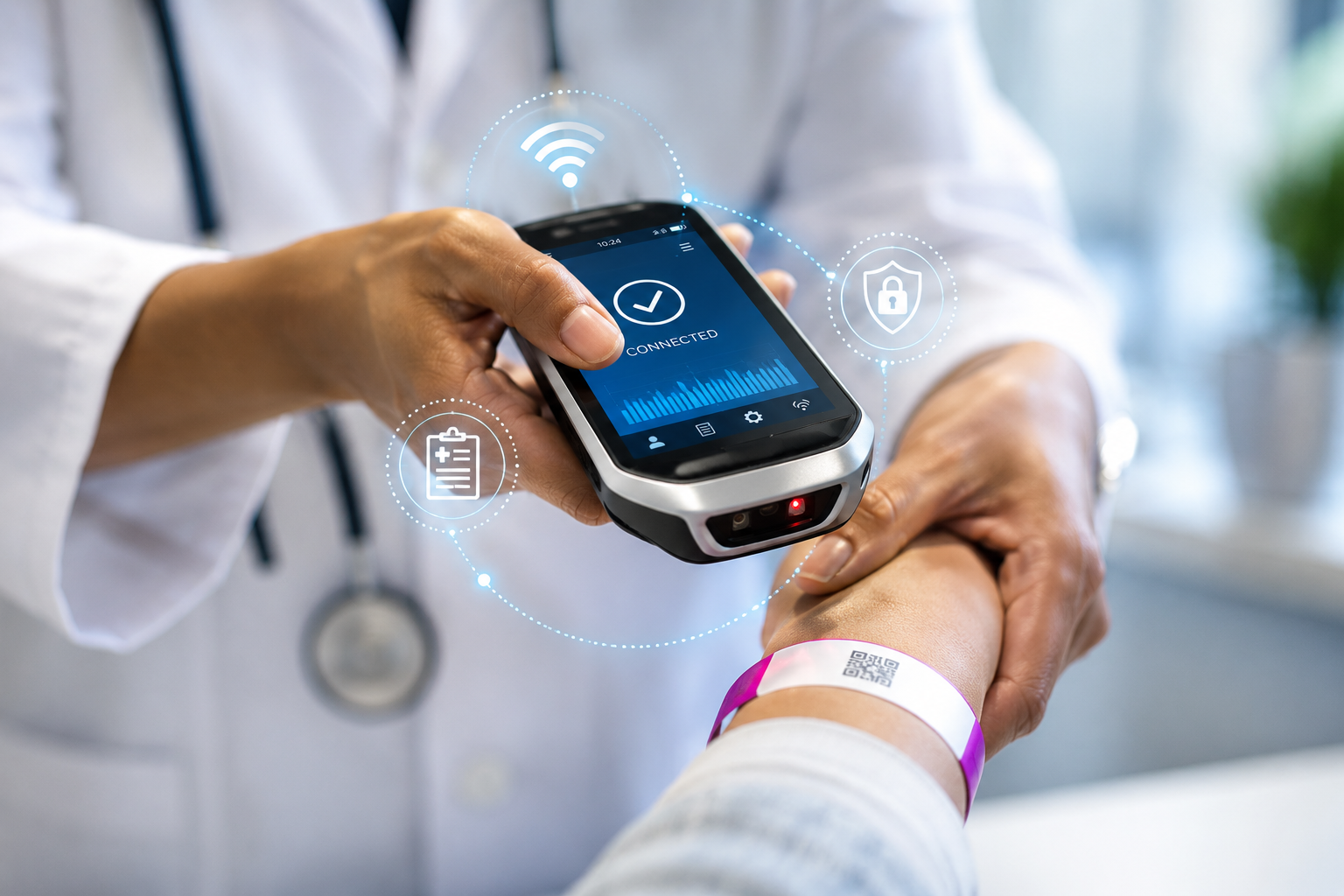
Many healthcare environments still rely on disconnected legacy systems, manual processes, and limited operational visibility. This can create challenges around asset management, maintenance, patient flow, energy efficiency, and system performance.
At the same time, healthcare providers are rapidly adopting:
IoT connectivity for hospitals is enabling this digital transformation by allowing devices, sensors, and systems to communicate securely in real time.
With smart hospital connectivity, healthcare providers can move from reactive operations to proactive, data-driven management.

Track medical equipment and critical assets in real time to reduce loss, improve utilisation and support patient care.

A hospital digital twin uses real-time data to improve operations, patient flow, efficiency and decision-making.

IoT sensors provide real-time insights into facilities, helping hospitals improve safety, efficiency and resilience.
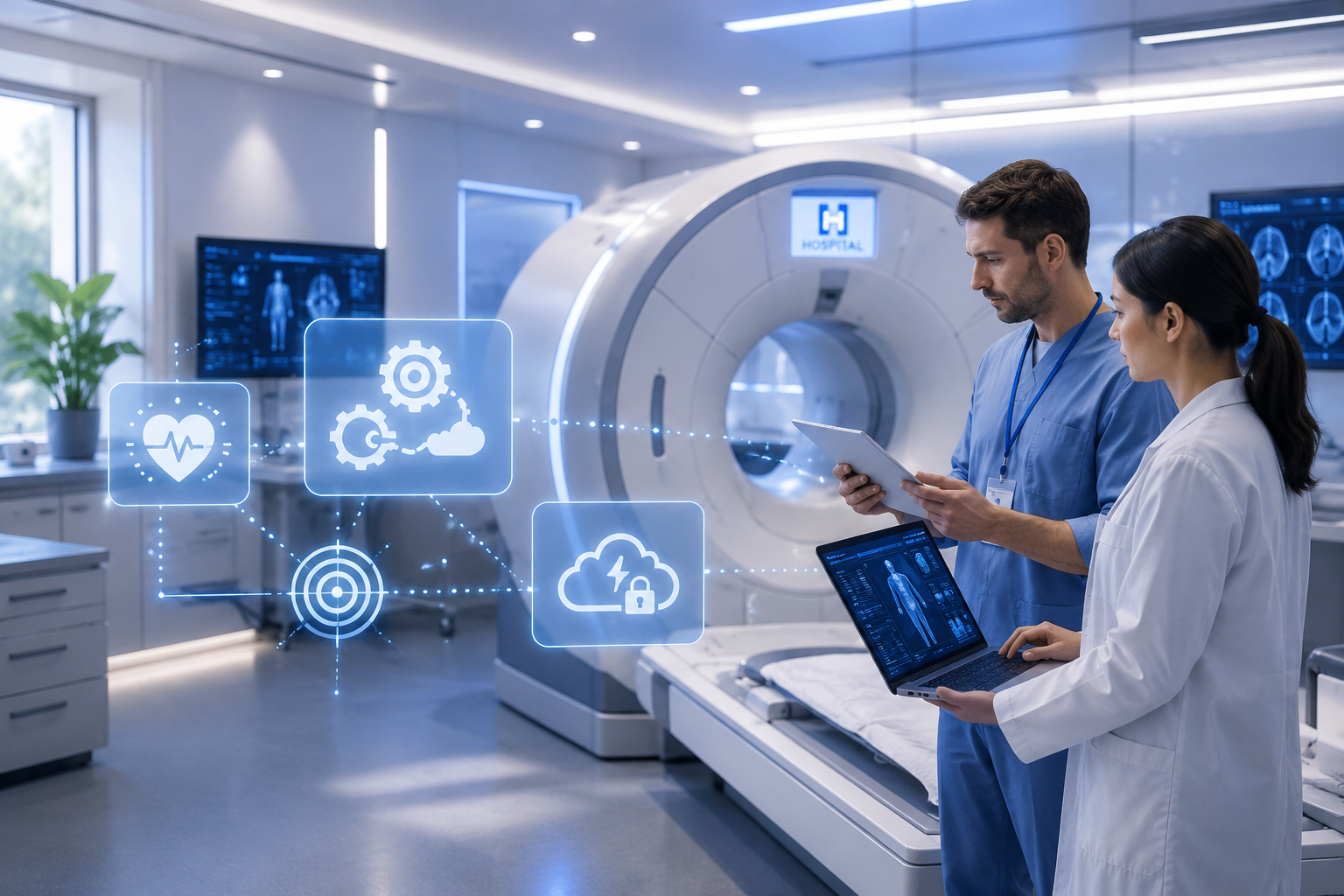
Connected systems can identify issues before failures occur, helping hospitals reduce downtime and improve operational continuity.

Secure, resilient connectivity helps hospitals protect data, support compliance and keep critical systems running.

Many hospitals operate with siloed systems that limit operational visibility and create inefficiencies.
Connected hospital systems supported by IoT connectivity enable real-time communication between departments, assets, and operational platforms.

Without real-time insights, healthcare teams can struggle to monitor equipment availability, patient flow, waiting room occupancy, crowd monitoring requirements, open doors, hospital car park usage, and facilities performance.
Hospital network IoT infrastructure enables hospitals to gather and analyse operational data continuously.

Unexpected failures can impact healthcare delivery and operational continuity.
Predictive maintenance supported by IoT sensors helps identify potential issues before critical equipment fail.

Hospitals are large, complex facilities with significant energy requirements.
Smart hospital technologies help optimise building management, automate environmental controls, and improve efficiency.
As more devices become connected, healthcare providers must ensure secure hospital connectivity and protect sensitive operational and patient data.
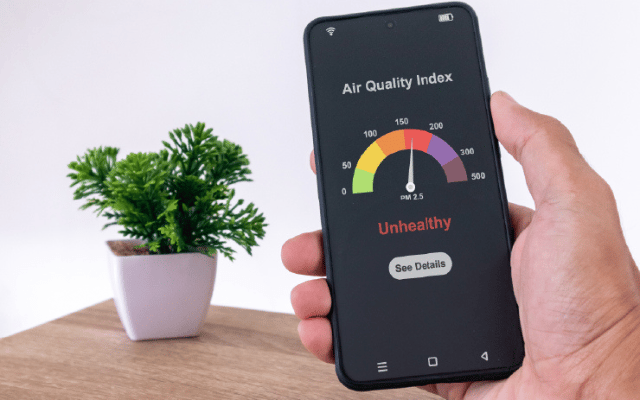
Ultra-Protect helps organisations improve indoor air quality through continuous monitoring and data-driven insights. Its smart air quality sensors provide real-time visibility into pollutants, helping businesses, public sector organisations, landlords, and healthcare environments create healthier spaces and comply with evolving regulations.
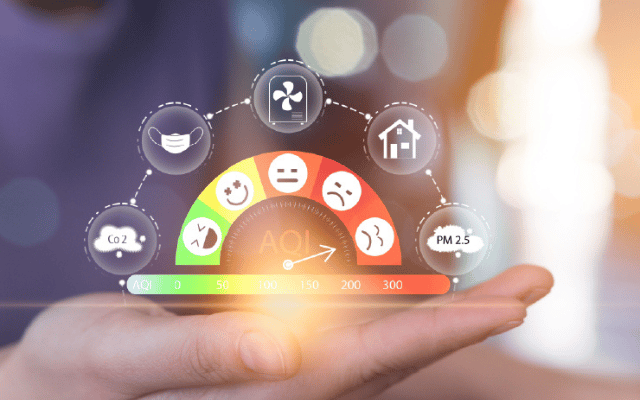
As demand for air quality monitoring increased, Ultra-Protect faced a challenge with the reliability of its IoT connectivity. Following a migration from 2G to NB-IoT, the company experienced intermittent connection dropouts that increased operational costs, required additional site visits, and risked undermining customer confidence in its monitoring solution.
To improve resilience, Ultra-Protect partnered with Wireless Logic. Following a detailed assessment, Wireless Logic deployed an NB-IoT connectivity solution featuring dual network profiles on a single SIM, providing built-in resilience through automatic network switching and support for future international expansion.

By implementing Wireless Logic's connectivity solution, Ultra-Protect achieved:
More reliable, uninterrupted air quality monitoring
Reduced maintenance and site visits
Improved customer confidence in monitoring services
Increased operational efficiency
Greater scalability for future growth and expansion
Enhanced support for regulatory compliance and healthy building initiatives.
The improved connectivity has enabled Ultra-Protect to focus on expanding its services while delivering continuous, real-time environmental monitoring to customers across sectors including healthcare, education, housing, retail, and public services.
Resilient connectivity
Reliable, scalable, and secure IoT connectivity for hospitals with support for multiple networks and critical healthcare environments

Hospital digital twin solutions
Create real-time operational visibility across facilities, infrastructure, and connected assets.

Hospital live asset tracking
Monitor and manage critical medical equipment and mobile assets in real time.

Secure data transfer
Private network infrastructure, VPN solutions, and secure hospital systems connectivity.

IoT expertise
Tailored smart hospital connectivity solutions designed around your healthcare operational requirements.