Video as a sensor: IoT connectivity for real-time insight

Cellular and satellite connectivity for connected video sensors.

Secure IoT connectivity for connected video sensors

Connected video sensors are changing how organisations monitor operations, respond to events and turn visual data into real-time insight.

From vehicle fleets and wearable devices to retail analytics and smart road infrastructure, video sensors are becoming IoT endpoints in their own right. They extend what connected systems can see, understand and act on.

With reliable cellular and satellite connectivity, organisations can capture and transmit video sensor data in real time, wherever it is generated. That means no coverage gaps and no unnecessary rise in data costs.

Video as a sensor is part of a wider shift known as the Internet of Video Things (IoVT). In IoVT, video sensors work alongside other IoT devices, so visual data feeds directly into connected systems, analytics and decision-making.

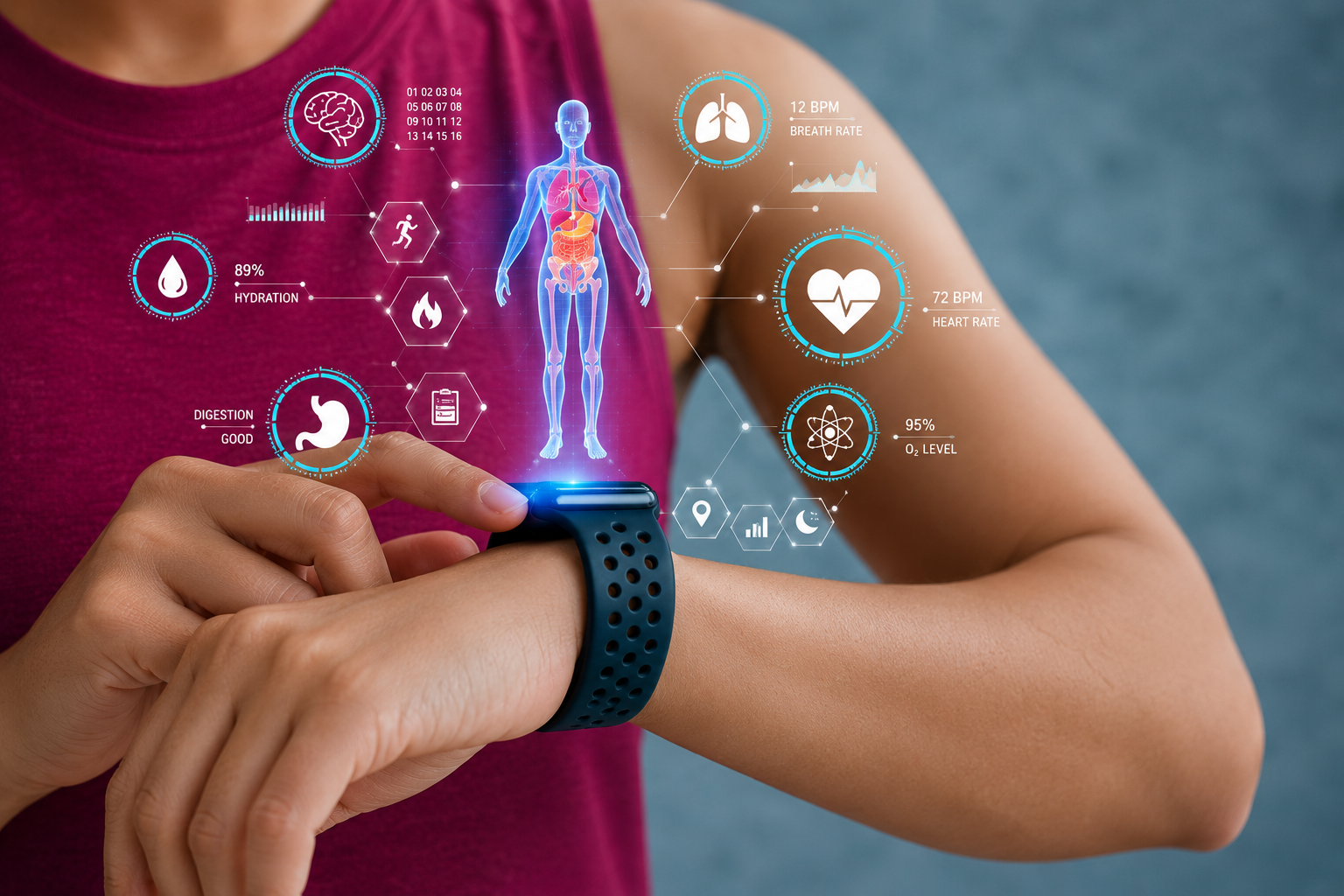
Connected wearable device showing real-time data, an example of IoT sensors in use

Connected video sensors are driving the future of IoT

Video is becoming one of the richest sources of data in the connected world. An estimated 21.1 billion IoT devices were connected globally in 2025, up 14 percent year on year, and cameras are increasingly joining that estate as sensors in their own right, rather than passive recording equipment.

This shift is increasingly described as the Internet of Video Things (IoVT), reflecting the growing integration of visual data into connected systems and applications.

Wireless Logic guide to IoVT and global IoT connectivity

Get the guide: IoVT - every frame counts

Independent research from Beecham Research, commissioned by us: secure, reliable cellular that turns video into value.

Get the full picture on the technology shifts driving IoVT, real-world use cases (telematics, retail, body cameras, smart motorways) and the connectivity strategy behind them.

Why connectivity matters for video sensors

Unlike traditional IoT sensors, video sensors generate large, continuous and often high-bandwidth data streams.

Organisations deploying connected cameras must balance:

  • High-bandwidth, continuous data volumes

  • Real-time transmission requirements

  • Coverage across distributed, remote or moving camera estates

  • Rising data costs at scale

  • Security of sensitive footage.

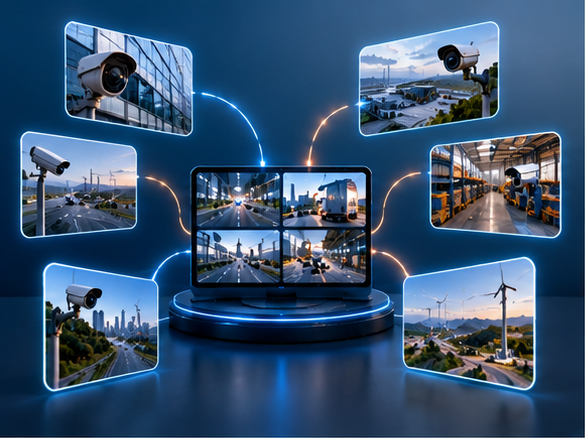
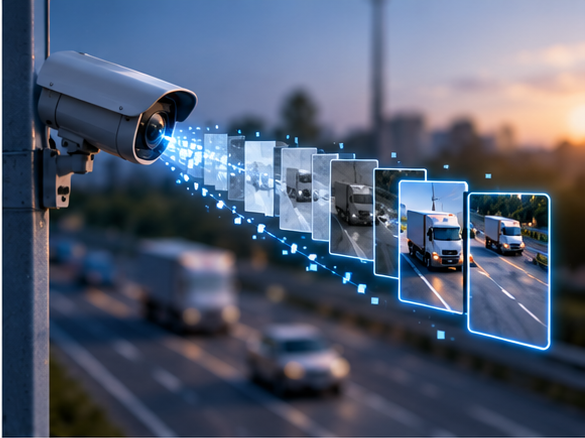
Video sensors sending data to the cloud over IoT connectivity

Edge processing and cellular connectivity for video sensors

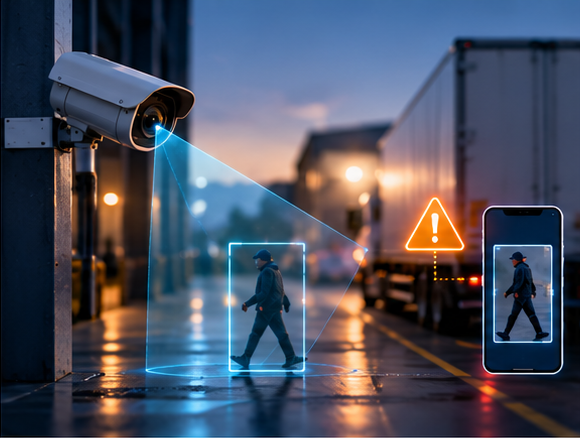
Not every frame needs to travel. Edge compute lets video be analysed at or close to the point of capture, so cameras and edge systems can flag relevant events, objects or changes locally.

Instead of transmitting continuous video, a system can send an alert, metadata describing what has been detected, or select footage for further investigation.

How we connects video sensors

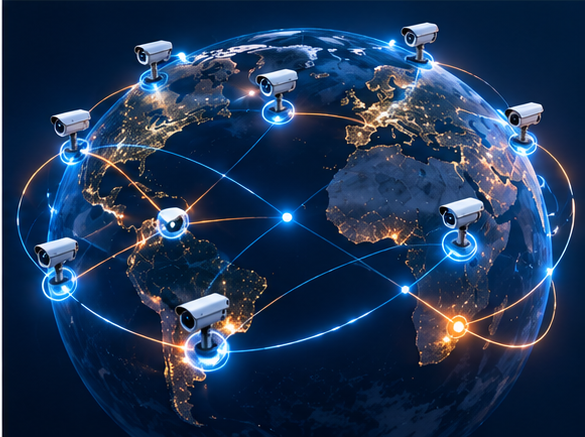
Global cellular and satellite network connecting video sensors securely

We are the enterprise IoT connectivity and managed IoT infrastructure partner behind a growing number of video sensor deployments.

Our connectivity runs on Conexa, our mobile core network, spanning 4G, 5G and LEO satellite across 750 network partners in 165 countries, with more than 20 million devices already under management and over 2 million eSIM profiles deployed over the air. For video sensors, this sits alongside Kheiron Data Hub, which ingests and contextualises data from cameras and other connected devices, and an AI/ML Runtime that applies analytics and machine-learning models to identify patterns, anomalies and events in visual data alongside other sensor inputs.

We pair this connectivity and data intelligence layer with managed security, including private APN, VPN and anomaly and threat detection. Video sensor deployments extend easily into new sites, vehicles and countries through eSIM and remote SIM provisioning, without adding operational complexity.

Common challenges for IoT video sensor deployments

As camera estates grow, organisations need better visibility, faster response and infrastructure that can be managed at scale.

fragmented_camera_estates

Fragmented camera estates

Many organisations run cameras and video systems separately from the rest of their IoT estate. A single data intelligence layer brings video and IoT data together, providing one view of assets, environments and events instead of treating footage in isolation.

limited_real_time_visibility

Limited real-time visibility

Footage is often reviewed after an incident rather than acted on as it happens. Edge compute and video analytics detect what matters as it is captured, so alerts reach the right team while there is still time to act.

data_costs_bandwidth

Data costs and bandwidth strain

Continuous video streaming across large camera estates drives up data costs quickly. Processing footage closer to the point of capture cuts how much data crosses the network, so organisations pay for what matters rather than every frame.

inconsistent_coverage

Inconsistent coverage across sites and vehicles

Cameras on vehicles, remote sites or wide geographic areas cannot always rely on one network. Multi-network and satellite connectivity extends coverage to distributed and moving estates, closing gaps in visibility.

security_compliance

Security and compliance risks for sensitive footage

Video sensors capture and transmit sensitive footage, creating data protection and compliance obligations. Private APN, VPN, private IP addressing and anomaly and threat detection protect footage in transit as well as at the device.

.

Scaling video sensor deployments globally

As camera estates grow across sites, vehicles and countries, organisations need connectivity that scales without adding complexity.

eSIM for video sensors
eSIM and remote SIM provisioning allow video sensor manufacturers and operators to deploy a single hardware design globally, provisioning and managing connectivity over the air rather than swapping physical SIMs across a distributed estate.

Video sensors connected worldwide through a global IoT connectivity platform
Secure data transmission from video sensors over private IoT connectivity

Secure video sensor connectivity

Video sensors capture and transmit sensitive footage, so security needs to be built into every stage of deployment.

Private APN, VPN, private IP addressing and anomaly and threat detection help ensure footage is only accessible to the systems and people who need it, while alerts, throttling, blocking or quarantining protect the network when device behaviour falls outside defined parameters.

Keeping video sensors connected and up to date

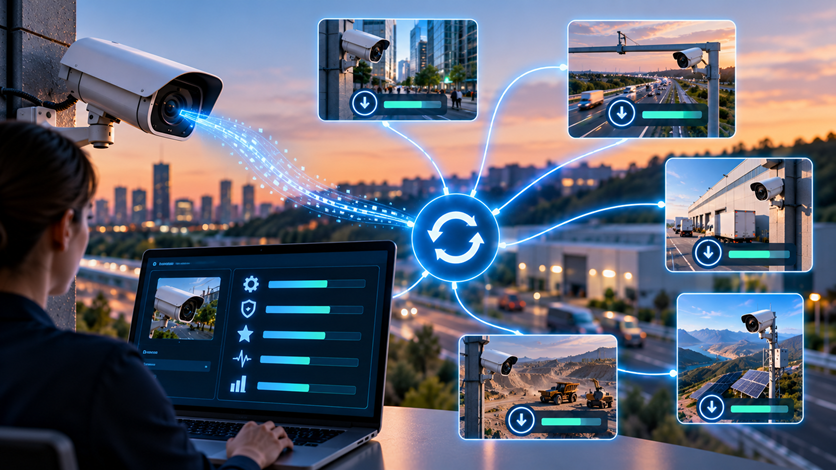
Connected cameras and video sensors continue to evolve after deployment. Reliable connectivity enables organisations to deliver:

  • Over-the-air firmware updates

  • Security updates

  • Feature enhancements

  • Device diagnostics

  • Performance monitoring.

Managing video sensor updates and device performance remotely over IoT connectivity

Frequently Asked Questions

IoT. It's not complicated with Wireless Logic.

Design and deploy a future-proof IoT solution that scales with your business.