ChatGPT Image Jun 11, 2026, 11_47_33 AM

Secure IoT connectivity for healthcare wearables

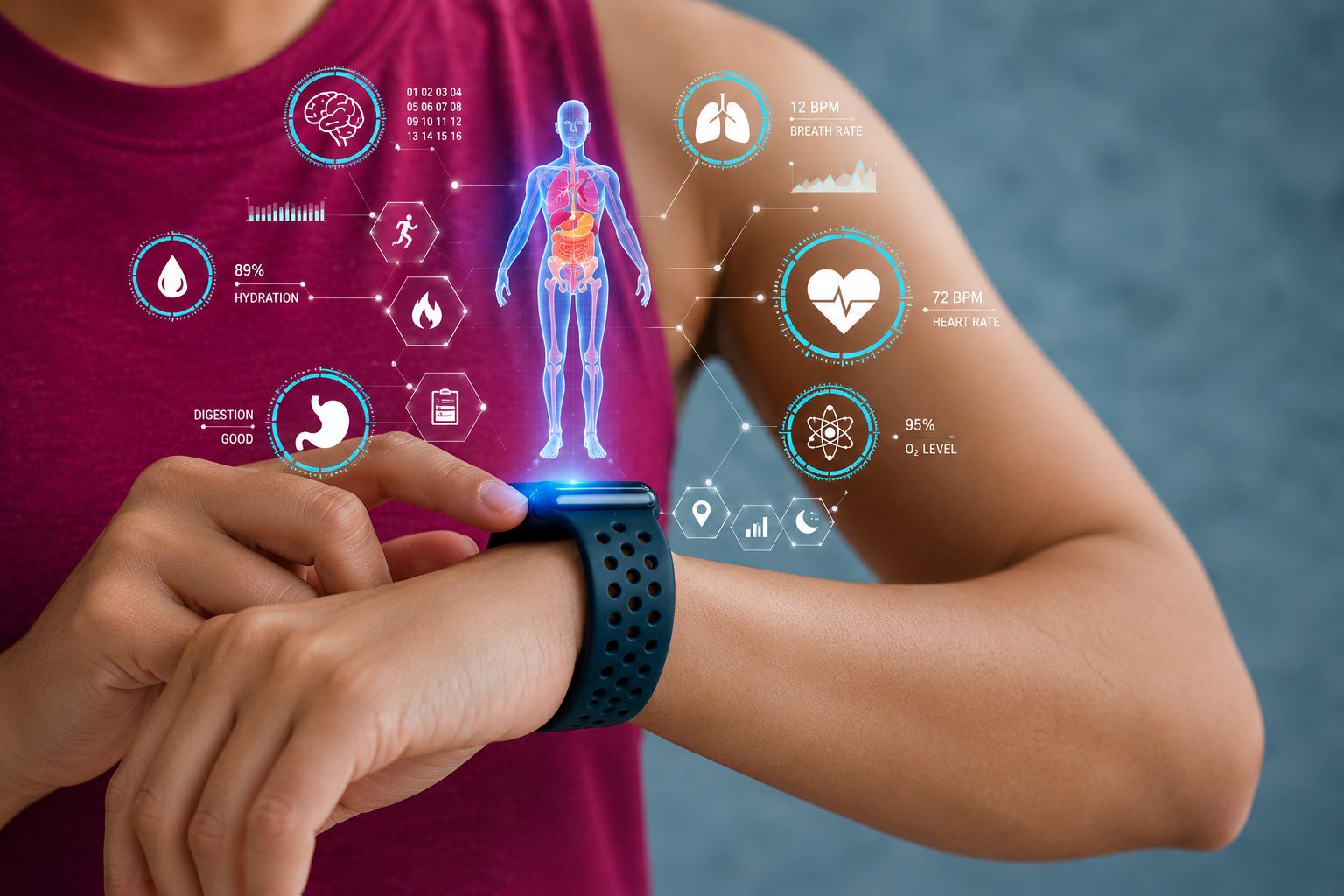
Healthcare wearables are transforming how patients are monitored, how healthcare is delivered and how organisations access real-time health insights.

From smart watches and wearable ECG patches to continuous glucose monitors and elderly fall detection devices, connected wearables are enabling continuous monitoring beyond traditional healthcare settings.

With secure, reliable and low-power IoT connectivity for wearables, manufacturers can create devices that deliver real-time health data while supporting long battery life, global deployment and scalable product growth.

ChatGPT Image Jun 11, 2026, 11_49_08 AM

Connected wearables are driving the future of healthcare

Wearable technology is playing an increasingly important role in preventative care, remote patient monitoring, chronic disease management and digital health.

Healthcare providers and device manufacturers are using connected wearables to support:

  • Remote patient monitoring
  • Continuous health tracking
  • Chronic condition management
  • Virtual wards
  • Elderly care and fall detection
  • Preventative healthcare programmes
  • Connected fitness and wellbeing applications.

Why connectivity matters for wearable devices

Unlike traditional IoT devices, wearables face unique design challenges.

Manufacturers must balance:

  • Small form factors
  • Battery life requirements
  • Continuous connectivity
  • Global deployment
  • Security and privacy requirements
  • Device scalability.

The right connectivity strategy is essential for delivering reliable user experiences while supporting product innovation and long-term growth.
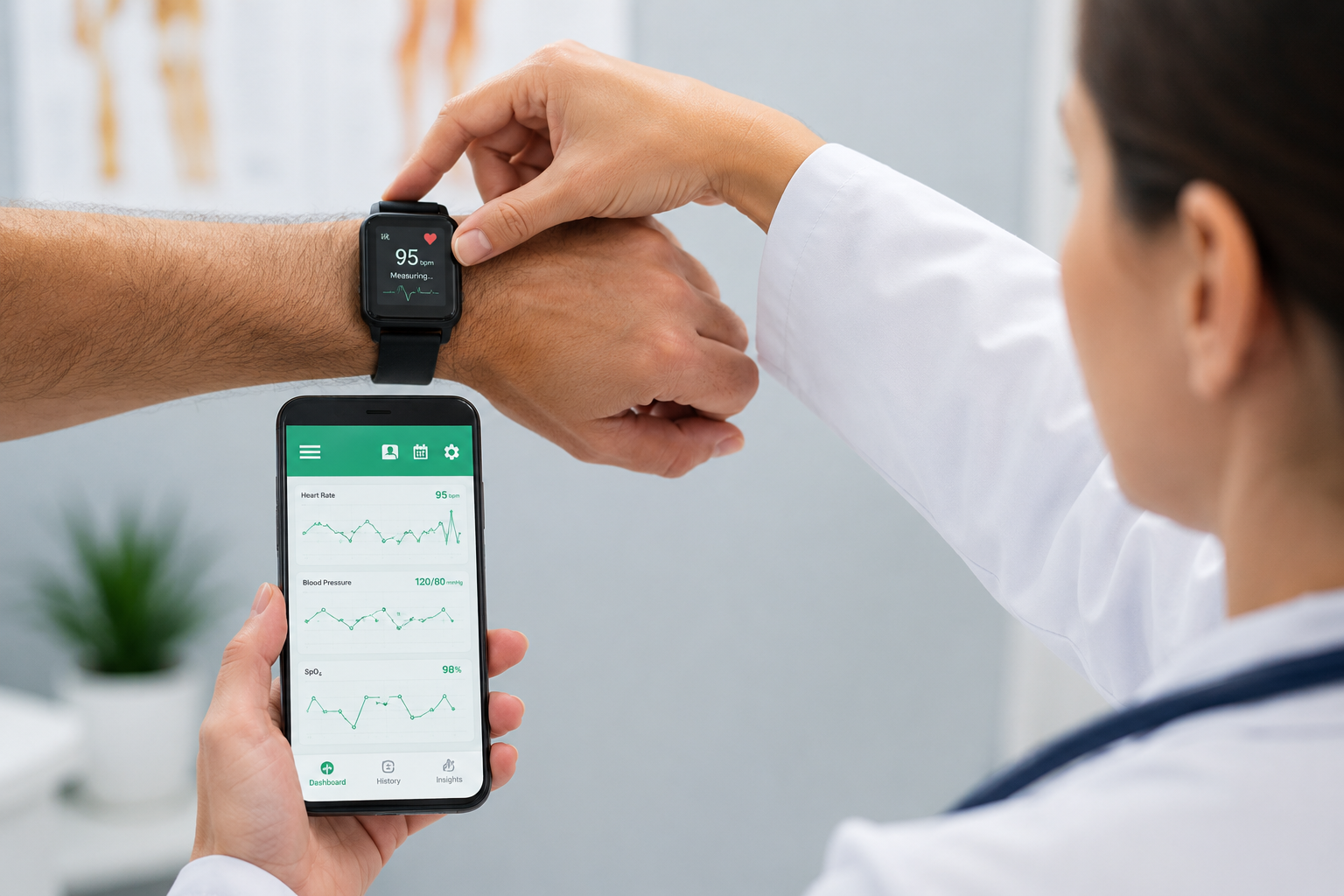
Battery performance is one of the most important considerations for wearable device manufacturers.

Low-power IoT for wearables enables devices to transmit data efficiently while minimising power consumption. Technologies such as low-power cellular connectivity LTE-M and NB-IoT wearables help manufacturers extend battery life without compromising performance.

This is particularly important for devices that require continuous monitoring, including:

  • Wearable ECG patches
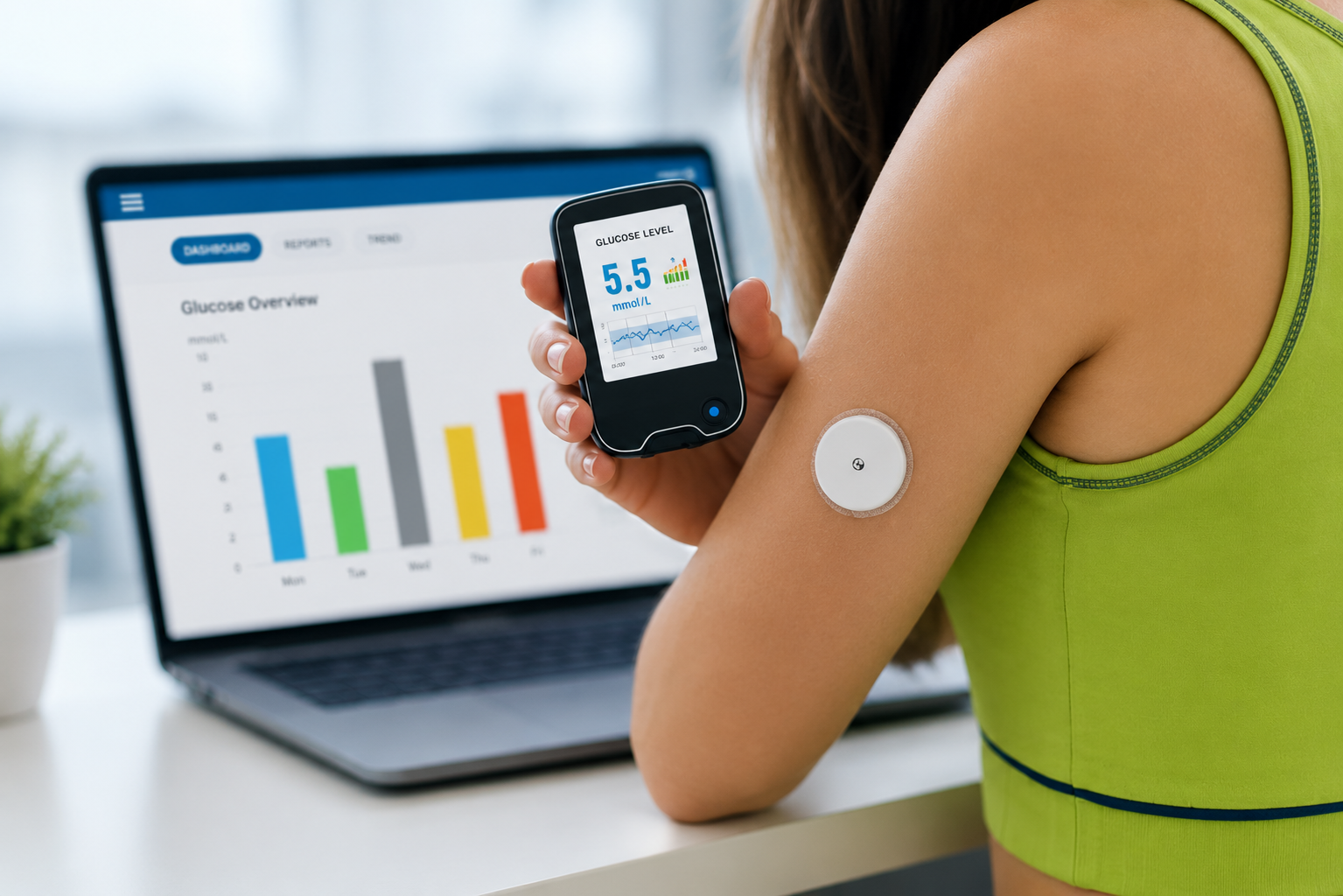
  • Continuous glucose monitors
  • Smart health trackers
  • Elderly monitoring devices.
ChatGPT Image Jun 11, 2026, 11_16_36 AM

Cellular connectivity built for wearable devices

Many healthcare wearables operate outside controlled environments and cannot rely on Wi-Fi availability.

Cellular connectivity for wearables enables devices to remain connected wherever users go, supporting continuous monitoring and uninterrupted data transmission.

Common challenges where IoT can help hospitals

As healthcare environments become more connected, hospitals require better visibility, interoperability, and infrastructure management. By using secure hospital connectivity, hospitals can create a connected ecosystem that improves operational efficiency, visibility, and responsiveness..

ChatGPT Image Jun 11, 2026, 11_25_12 AM

Many hospitals operate with siloed systems that limit operational visibility and create inefficiencies.

Connected hospital systems supported by IoT connectivity enable real-time communication between departments, assets, and operational platforms.

ChatGPT Image Jun 11, 2026, 11_52_09 AM

Scaling wearable products globally

As wearable healthcare solutions grow, manufacturers require connectivity that can scale internationally without increasing complexity.

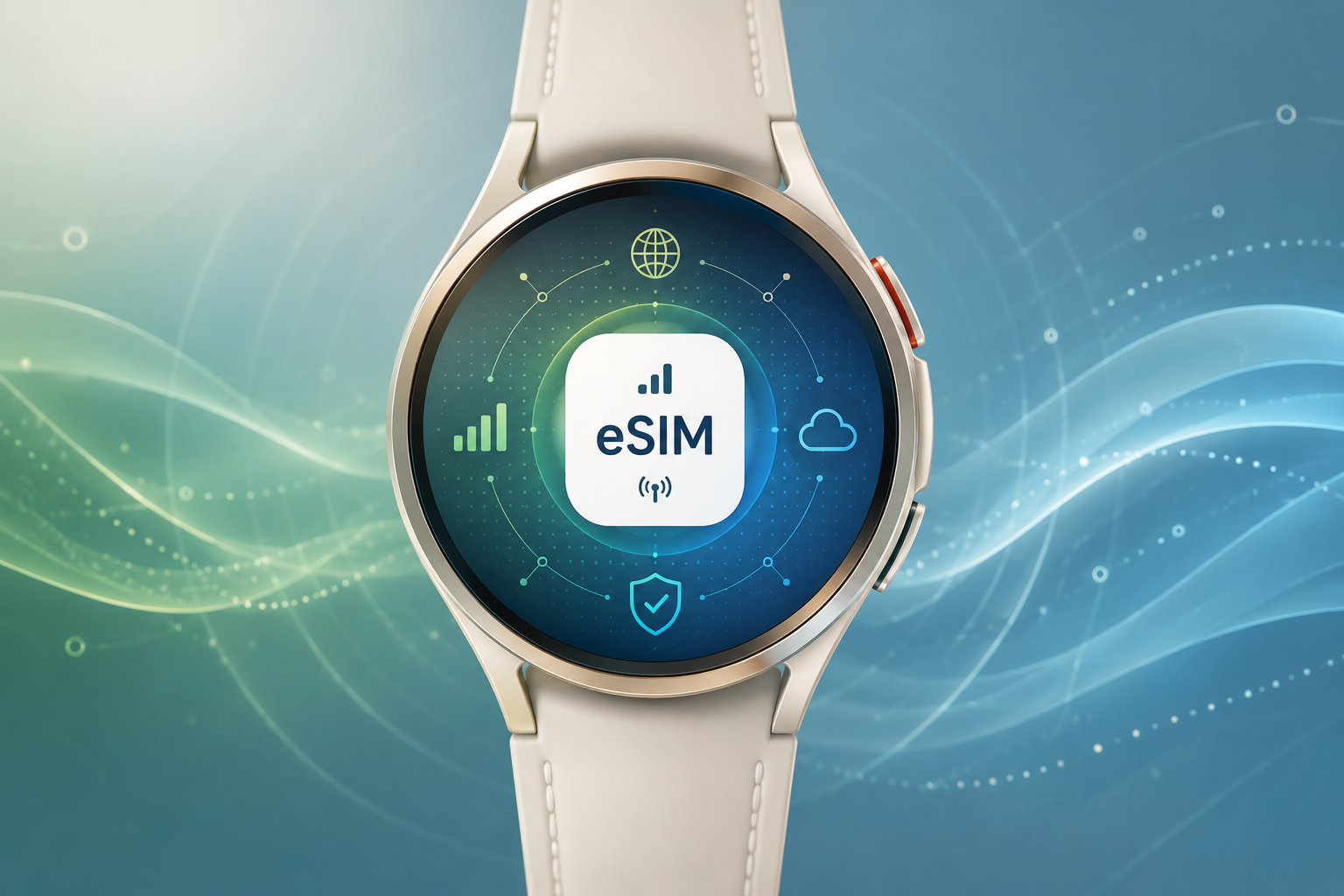
eSIM for wearables

eSIM for wearables allows manufacturers to simplify logistics, reduce hardware complexity, and support global deployments from a single device design.

Secure healthcare wearable connectivity

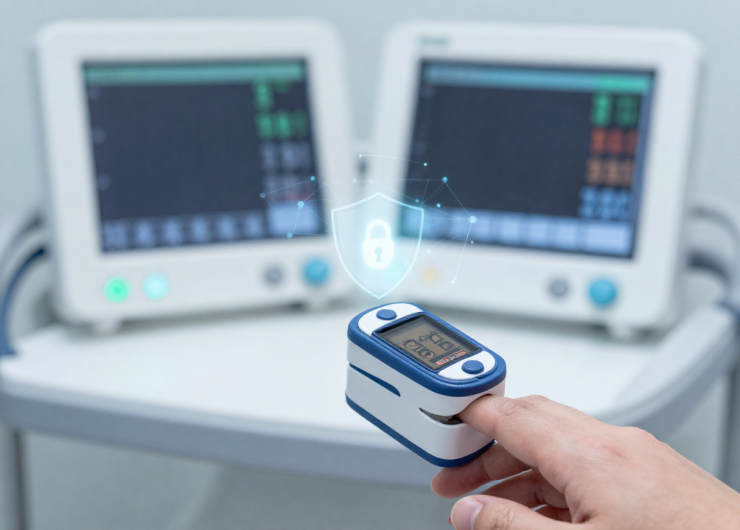
Healthcare wearables collect and transmit highly sensitive personal and medical information.

As a result, security and privacy must be embedded into every stage of device design and deployment.

healthcare 1 740 x 530
ChatGPT Image Jun 11, 2026, 11_12_28 AM

Keeping wearable devices connected and up to date

Connected devices continue to evolve after deployment.

Reliable connectivity enables manufacturers to deliver:

  • Over-the-air firmware updates for low-power wearables
  • Security updates
  • Feature enhancements
  • Device diagnostics
  • Performance monitoring.

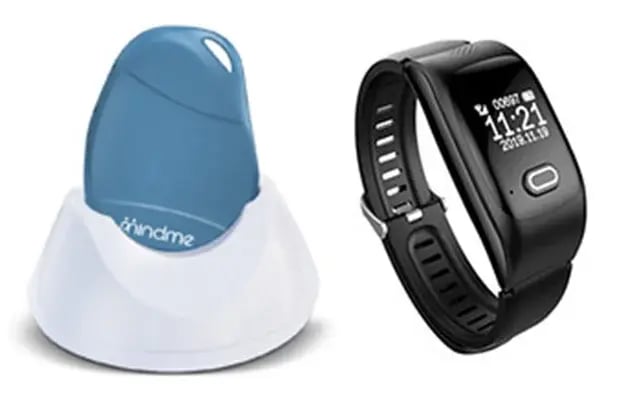
Success story: Mindme


Mindme provides wearable safety and monitoring devices that help elderly and vulnerable individuals live more independently while giving caregivers greater peace of mind. Its connected solutions combine GPS tracking, location-based alerts, SOS functionality, and real-time monitoring to ensure support is always within reach.

Because Mindme's service depends on continuous communication between the wearable device, caregivers, and its monitoring platform, reliable connectivity is critical. The devices transmit location information, battery status, and alert data in real time, enabling carers and monitoring centres to respond quickly when assistance is needed.

MindMe-Page-About-640x400px

Frequently Asked Questions

IoT. It's not complicated with Wireless Logic.

Design and deploy a future-proof IoT solution that scales with your business.