
Secure IoT connectivity for connected medical devices
Connected medical devices are transforming healthcare delivery, enabling providers and manufacturers to improve patient outcomes, optimise operations and support new models of care.

Connected solutions for healthcare and medical device manufacturers
As healthcare becomes increasingly digital, connected medical devices are playing a critical role in improving care delivery and operational efficiency.
Medical device manufacturers and healthcare providers are adopting connected technologies to support:
- Remote patient monitoring (RPM)
- Connected diagnostic devices
- Smart therapeutic and drug delivery devices
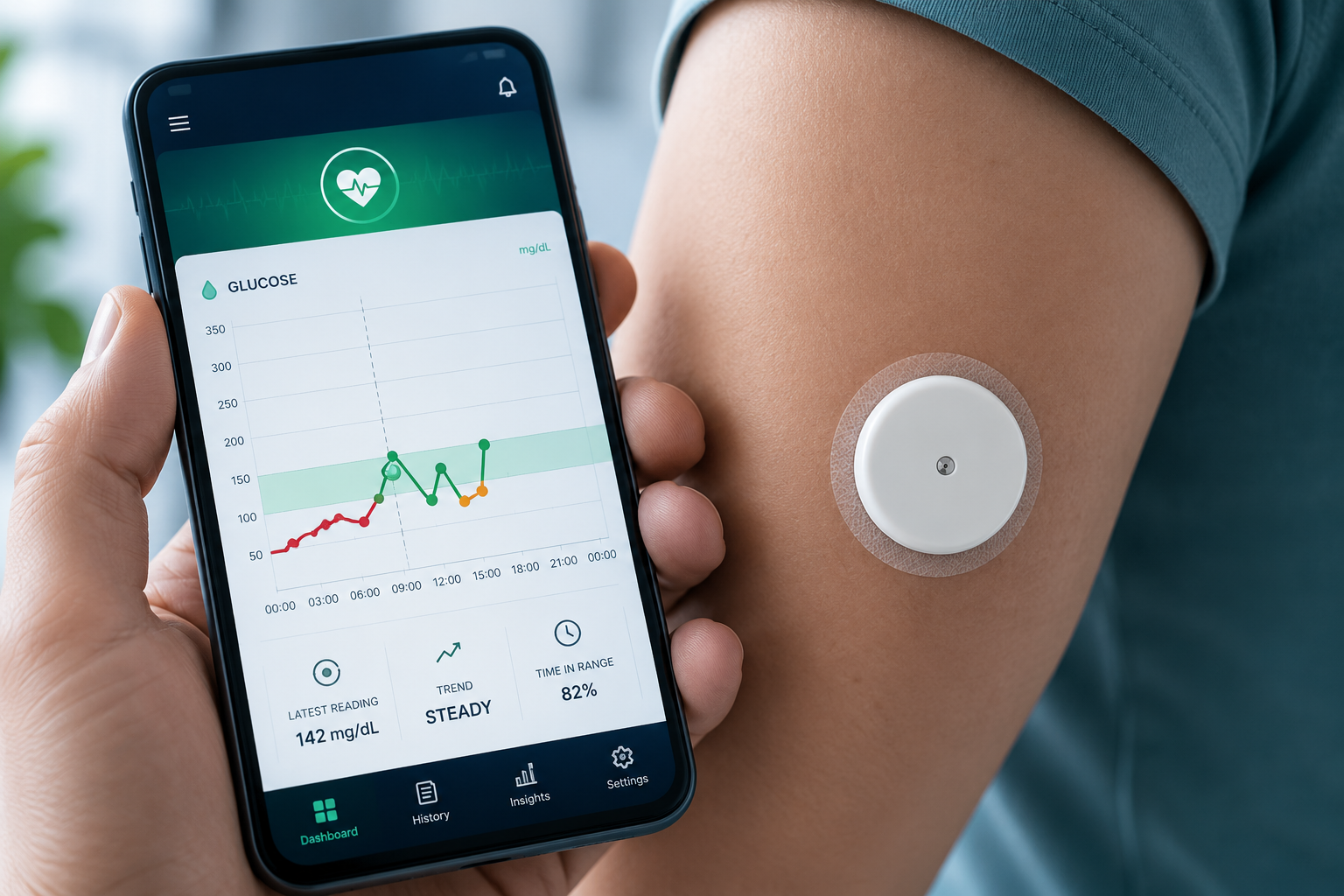
- Wearable health monitoring
- Virtual wards and home healthcare
- Remote diagnostics and maintenance
- Healthcare asset visibility.
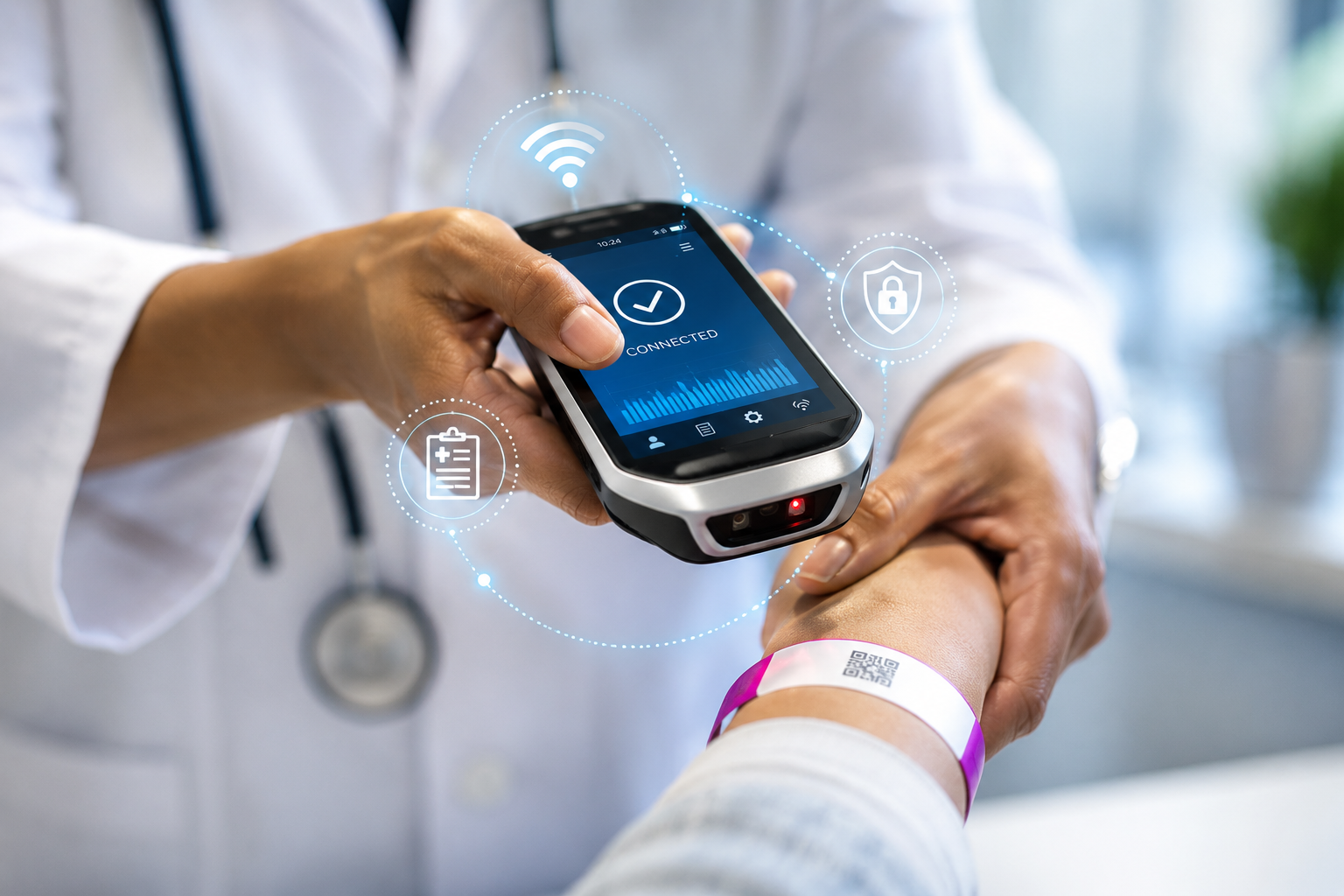
By enabling secure healthcare device connectivity, organisations can collect and transmit data in real time, helping clinicians make faster decisions while improving visibility across device fleets and healthcare operations.
Improving patient care through connected medical devices
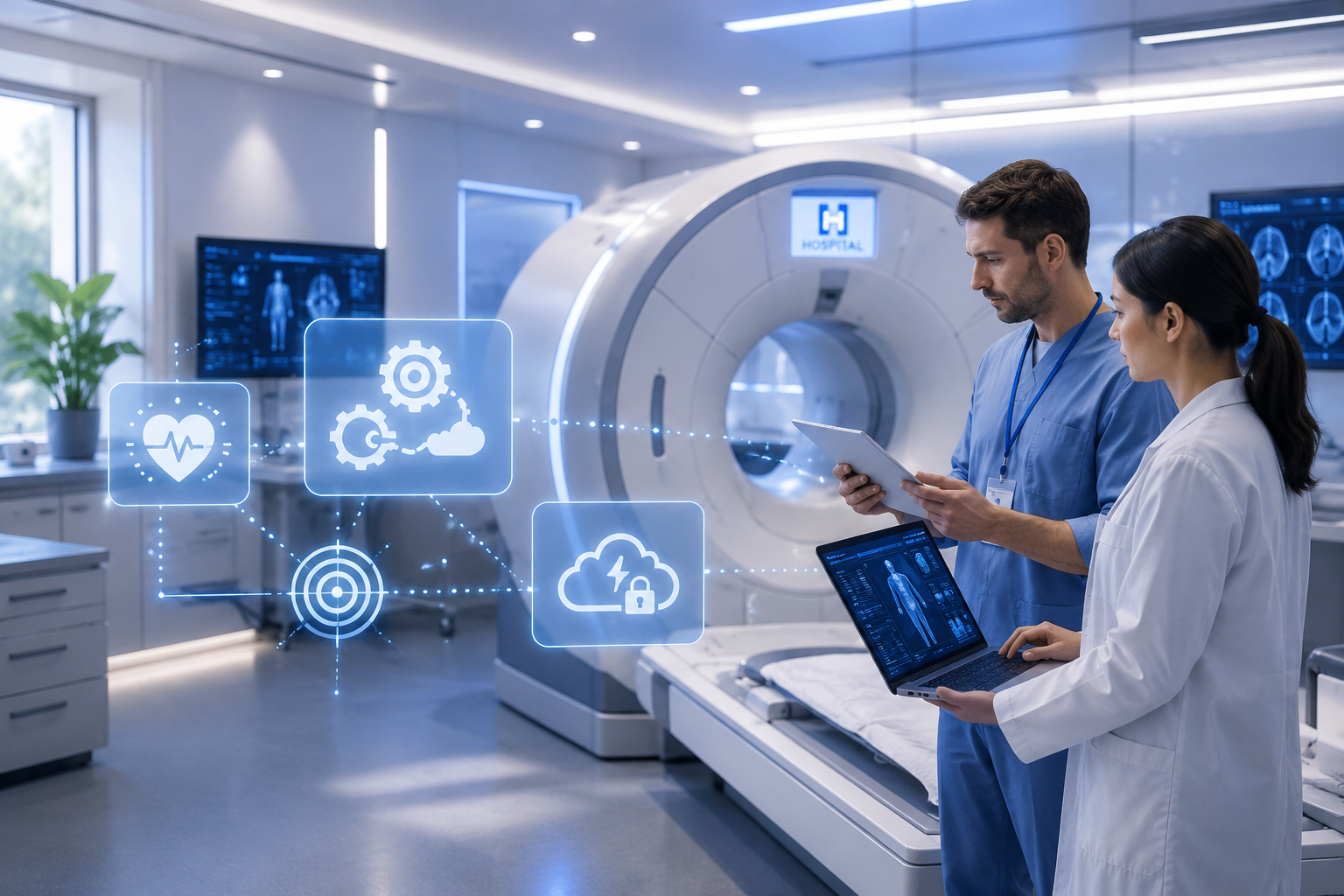
Remote medical device monitoring is helping healthcare providers extend care beyond hospitals and clinics.
Connected devices can securely transmit patient and device data in real time, allowing clinicians to monitor health conditions remotely, identify potential issues earlier, and support timely intervention when needed.Applications include:
- Remote patient monitoring programmes
- Wearable biosensor connectivity for virtual wards
- Connected cardiac monitoring
Smart drug delivery devices - Home healthcare technologies.
By reducing reliance on manual reporting and enabling continuous visibility, connected medical devices can help improve patient adherence, support better clinical outcomes, and reduce unnecessary hospital visits.
Reducing downtime with remote diagnostics and monitoring
Reliable device performance is critical in healthcare environments.
IoMT remote diagnostics and monitoring enable manufacturers and healthcare providers to monitor device status, connectivity, battery performance, and operational health remotely.
Connected devices can automatically identify performance issues before failures occur, helping organisations:
- Improve device uptime
- Reduce maintenance costs
- Minimise engineer callouts
- Support proactive servicing
- Extend device lifecycles.
Low-power LTE-M eSIM for smart medical devices can further support long operational lifespans while reducing maintenance requirements for battery-powered equipment.
Connectivity built for global medical device deployment
As connected healthcare solutions expand internationally, manufacturers require connectivity that can scale across countries, networks, and deployment environments.
Solutions such as IoT SIMs for medical devices, eSIM for global medical device deployment, and multi-carrier cellular connectivity for medical devices help simplify global rollouts while improving resilience and coverage.
Benefits include:
- Single-SKU global deployments
- Simplified logistics and provisioning
- Remote SIM management
- Improved network availability
- Faster time to market.
For healthcare OEMs, this creates a more scalable foundation for launching connected products globally while maintaining a consistent user experience.

Secure healthcare device connectivity
Healthcare organisations and device manufacturers must balance innovation with security, privacy, and compliance.
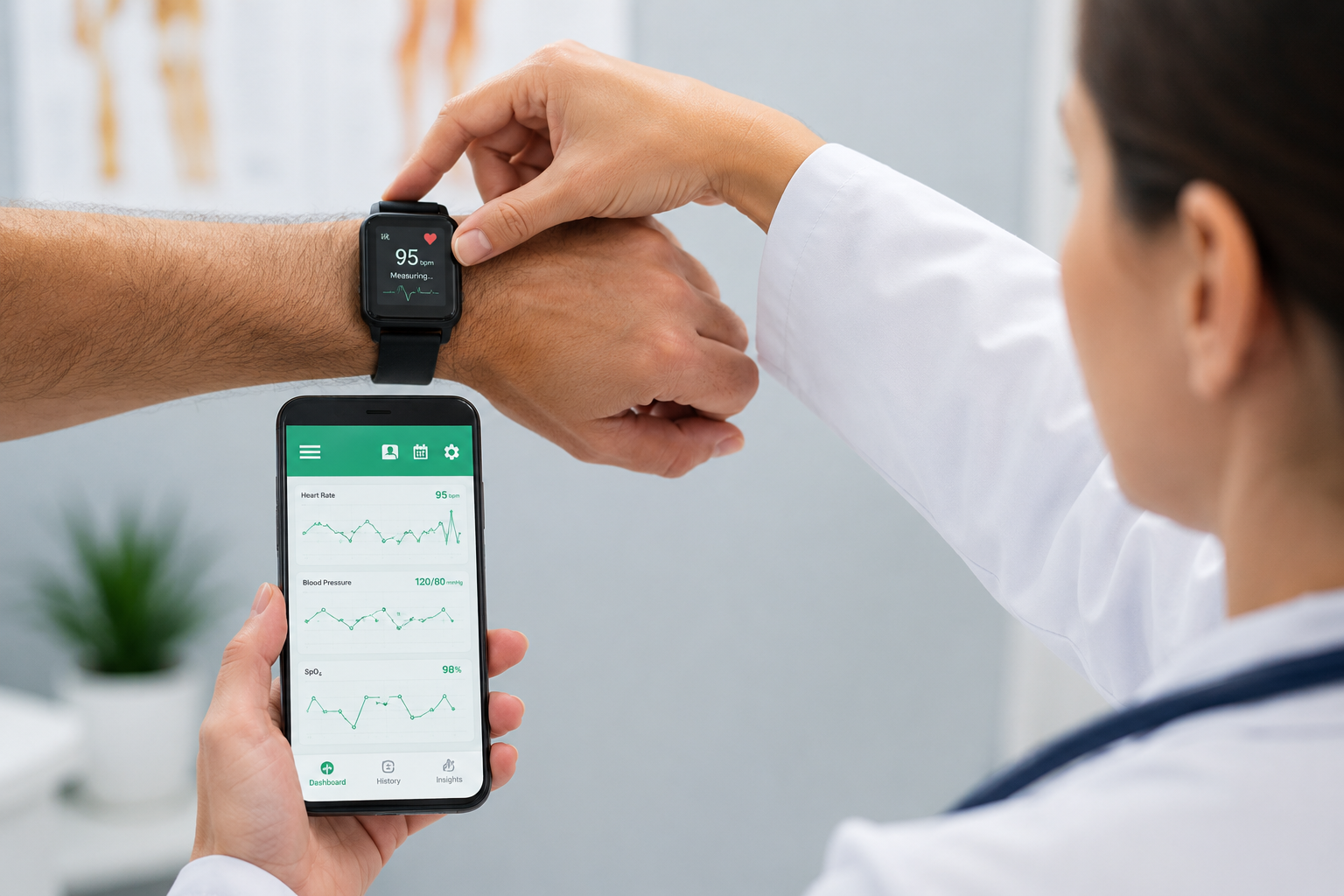
Medical device connectivity requires robust protection for sensitive patient and operational data throughout the device lifecycle.
Secure connectivity solutions can include:
- Secure bootstrap cellular profiles for IoMT
- Secure private APNs for remote patient monitoring
- End-to-end encryption for eSIM medical device telemetry
- Secure device authentication
- Private network infrastructure
- Centralised connectivity management.
These capabilities help organisations support governance requirements, protect patient information, and maintain trust in connected healthcare applications.
Success story: Cardiosos
Cardiosos is helping protect communities, workplaces, and public events through connected cardioprotection solutions that ensure Automated External Defibrillators (AEDs) remain operational and ready when needed most.
Providing a complete cardioprotection service, Cardiosos manages the installation, maintenance, monitoring, and supervision of AEDs across a wide range of environments. To support this model, the organisation required reliable medical device connectivity that could provide continuous visibility of every connected device in the field.
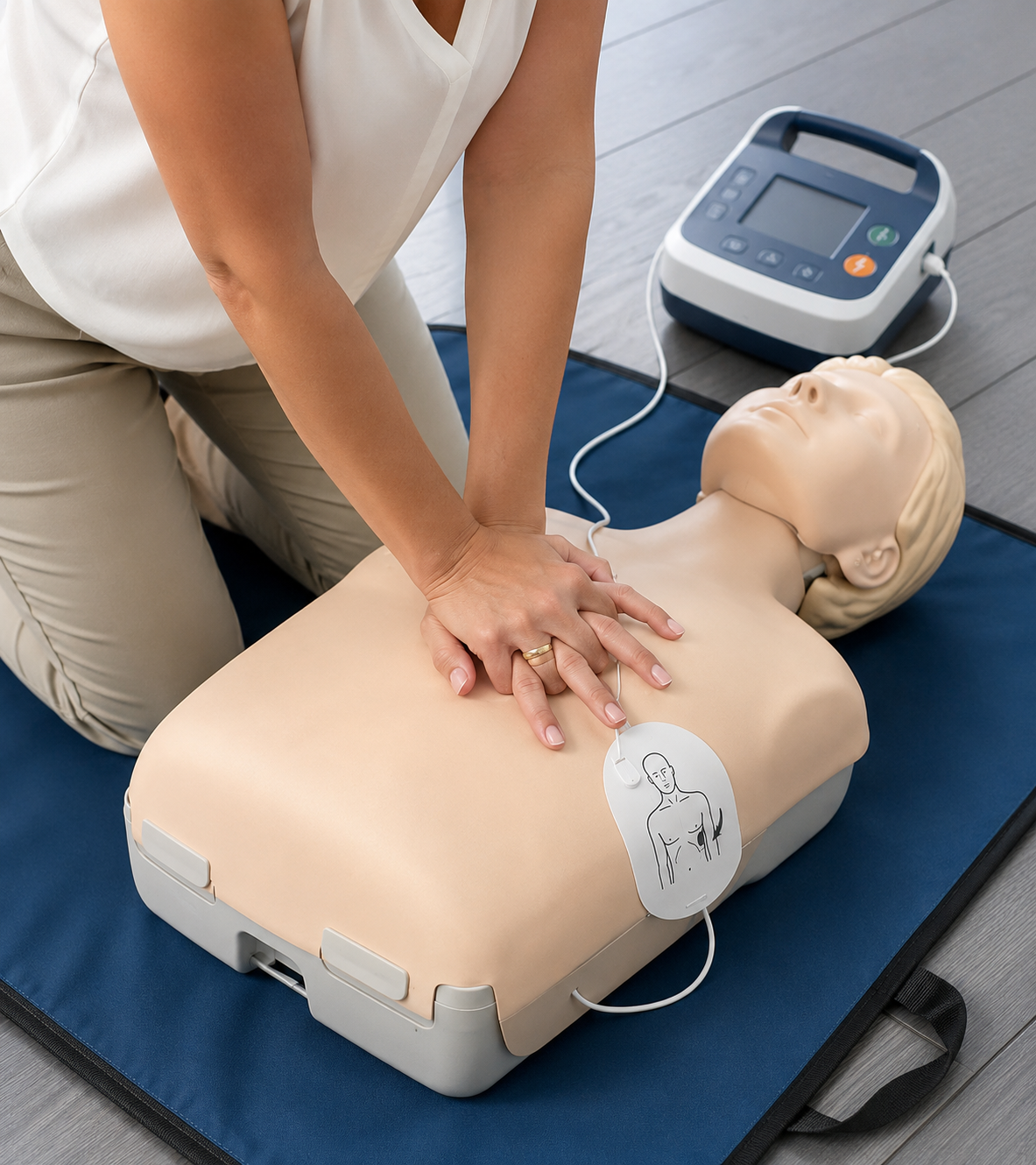
Using Wireless Logic's IoT connectivity solutions and M2M SIMs, Cardiosos can remotely monitor each connected AED cabinet in real time. Critical operational data is transmitted directly to its monitoring platform, allowing teams to immediately identify issues such as device faults, extreme temperatures, or unauthorised removal of an AED.
The connected solution also supports integrated emergency voice communications, enabling hands-free emergency calls directly from AED cabinets using the same secure cellular connectivity. This ensures both data and voice services remain available when they are needed most.
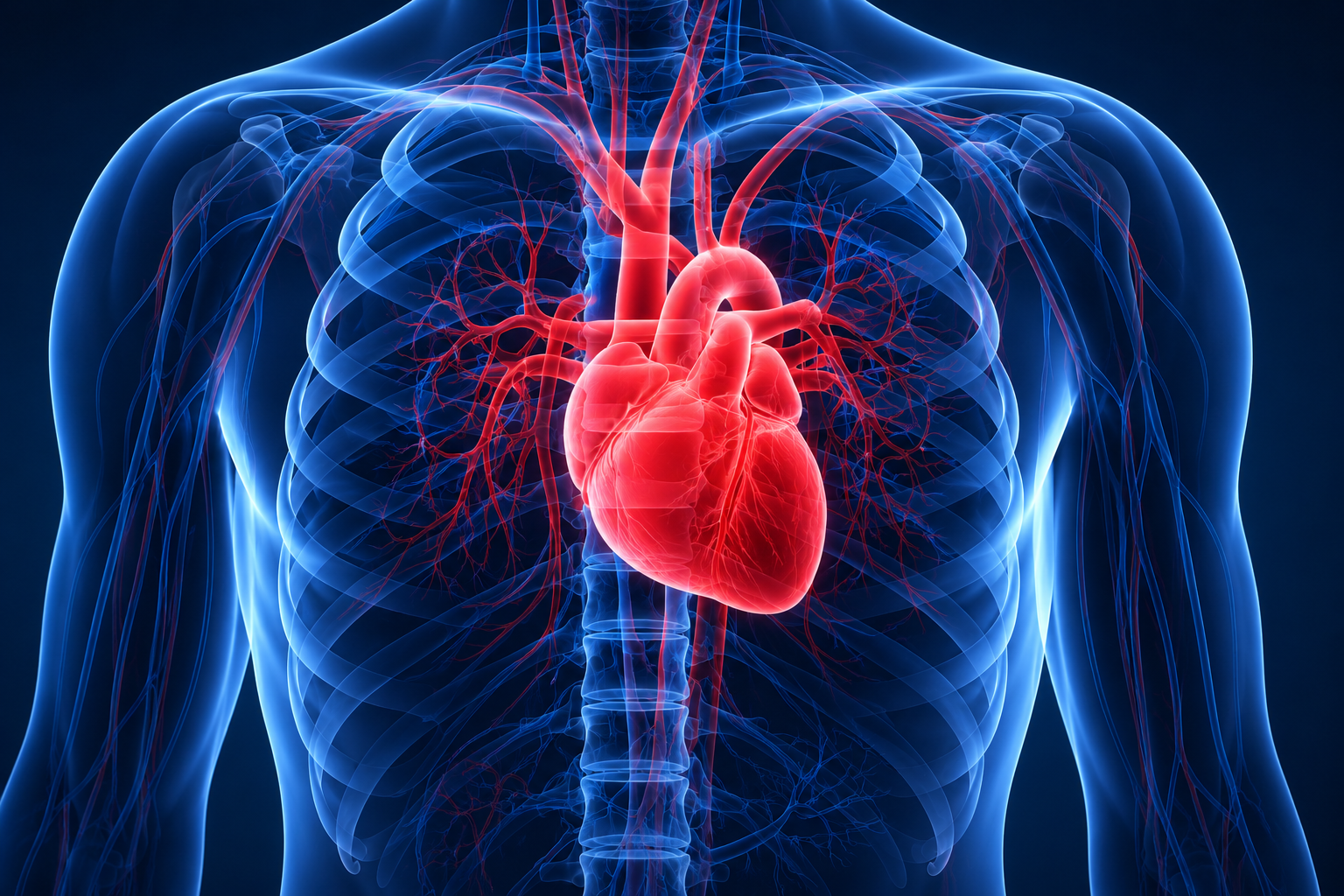
By combining connected medical devices with secure cellular connectivity, Cardiosos has improved visibility, operational oversight, and device readiness across its deployed fleet of AEDs.
The solution enables:
-
Real-time remote medical device monitoring
-
Improved device uptime and operational reliability
-
Faster identification of maintenance issues
-
Secure transmission of critical device telemetry
-
Enhanced public safety through always-connected emergency infrastructure.
.webp?width=3200&height=900&name=Invivodata_HEADER_3200-1%20(1).webp)